Clear vision plays a major role in how children learn, read, focus, and participate in the classroom. When a child is struggling with schoolwork, vision problems may be part of the reason. At Nash Eye Care, Dr. Trichel and her team help families in Nash and surrounding areas understand how healthy vision supports both academic performance and everyday confidence.
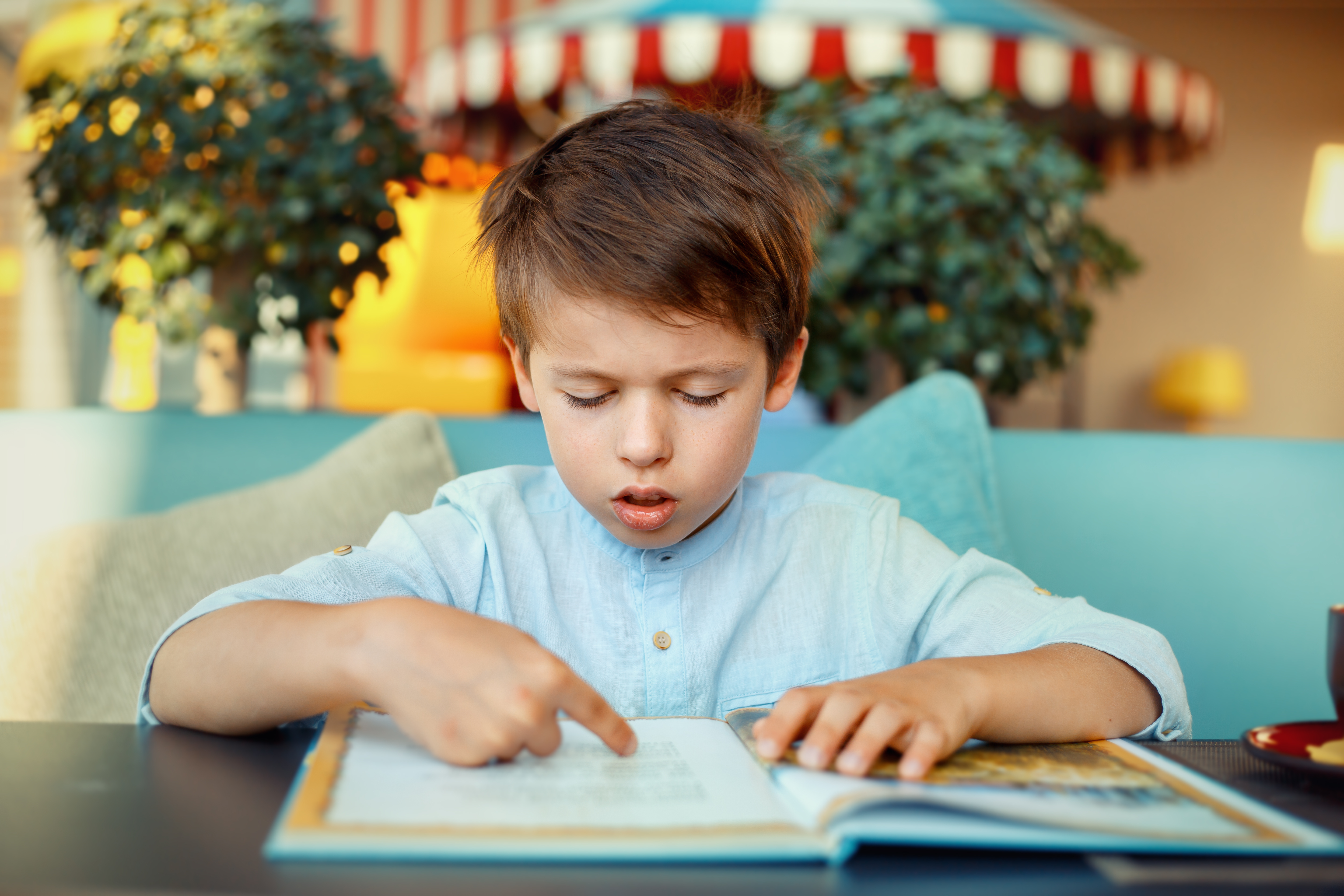
Children use their eyes throughout the school day for reading, writing, using digital devices, seeing the board, and shifting focus between near and far objects. If their vision is not working properly, these tasks can become frustrating and tiring. Some children may not realize their eyesight is different from normal, so they may not mention a problem.
Several vision issues can affect school performance and daily activities. The most common include nearsightedness, farsightedness, astigmatism, and eye teaming or focusing problems. Some children may also develop lazy eye or eye turn, which can affect depth perception and visual development. A child with an undiagnosed vision condition may seem distracted or uninterested in school when the real issue is that seeing clearly is difficult.
When children have trouble seeing or using their eyes comfortably, it can affect more than grades. Vision problems may interfere with reading speed, comprehension, attention span, and classroom participation. They can also make sports, hobbies, and playtime more difficult.
Signs parents may notice include:
Regular pediatric eye exams are important because early detection allows problems to be identified before they begin to interfere more seriously with learning and development. A basic school vision screening may catch some issues, but it does not provide the same level of detail as a comprehensive eye exam. A full pediatric eye exam can help detect concerns with visual clarity, eye coordination, focusing ability, and overall eye health.
Even if your child has not complained about their vision, routine eye exams are still an important part of protecting their sight. Regular visits allow us to monitor changes as your child grows and make sure their eyes are supporting them both in and out of the classroom.
Every child’s eyes and visual needs are different. That is why personalized treatment is so important. Depending on the diagnosis, treatment may include prescription glasses, myopia management, monitoring over time, or other care recommendations based on your child’s age, symptoms, and lifestyle. With the right support, children often feel more comfortable in school and more confident during everyday activities.
Schedule a pediatric eye exam at Nash Eye Care to help give your child the clear, healthy vision they need to learn, grow, and thrive. Visit our office in Nash, Texas, or call (903) 741-7720 to book an appointment today.

All Eye
Care Services

Keep
In Touch